Understanding Cancer: A Comprehensive Guide to Types, Symptoms, and Latest Treatments
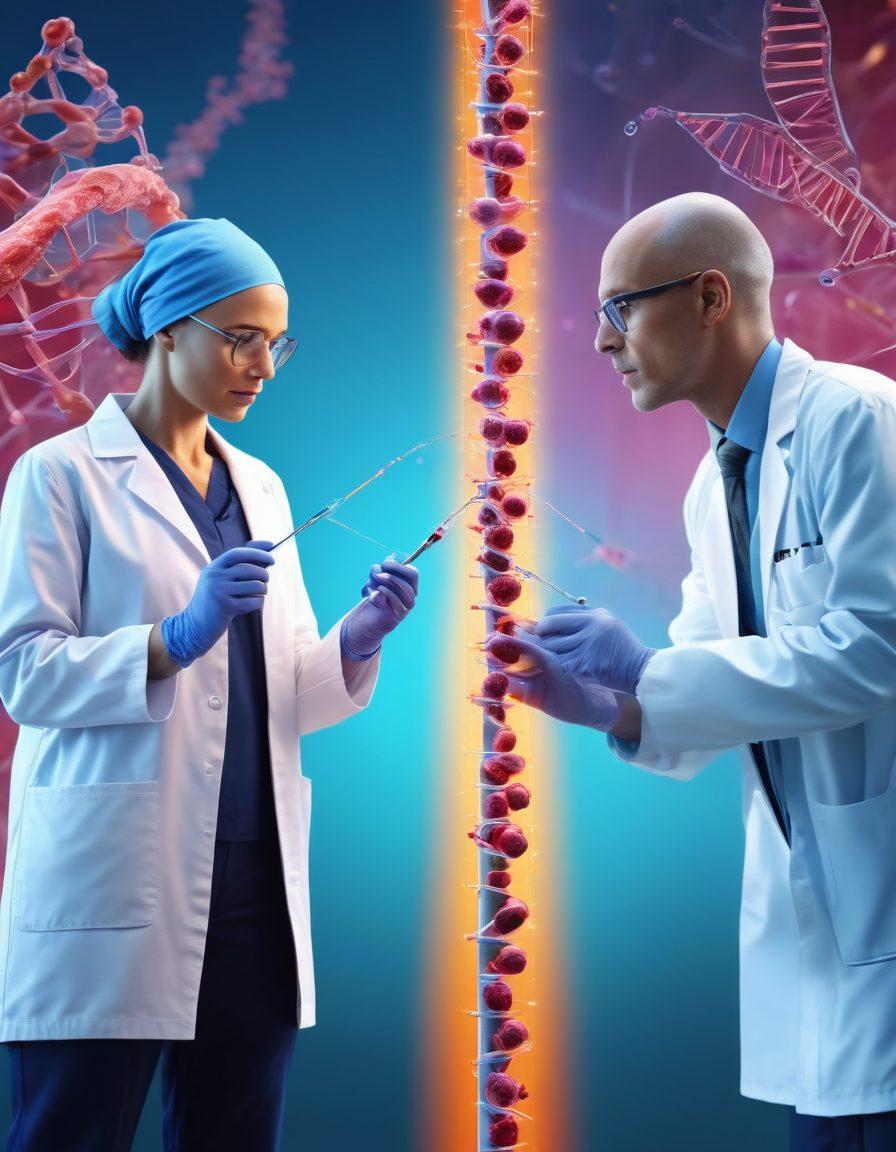
Understanding cancer is much like peeling an onion; each layer reveals a deeper complexity. When we mention the term 'cancer types,' what do we really mean? There are over a hundred distinct types of cancer, categorized based on the tissue of origin. From breast and lung cancer to rarer forms like mesothelioma, the diversity in cancer types reminds us of the complexity of human health. Through this blog, we’ll not only explore these various types but also shed light on their symptoms, and how they intersect with daily living. As someone said, 'Awareness is the first step towards prevention.' And isn't that why we're here?
When faced with a cancer diagnosis, one of the first questions many ask is, 'What now?' Recognizing the signs of cancer symptoms early can lead to better outcomes. Symptoms can vary widely depending on the type of cancer as well as individual factors, but common signs such as unexplained weight loss, fatigue, or persistent pain can't be ignored. For instance, a thought-provoking statistic shows that 1 in 2 people will be diagnosed with some form of cancer during their lifetime. This will inevitably raise challenges for many families. Knowing these symptoms is crucial in making an informed call to an oncologist consultation. Wouldn't you agree that knowledge really is power?
Did you know that not all tumors are created equal? When we talk about malignant tumors, what stands in stark contrast are benign tumors. While malignant tumors can spread and pose a serious threat to health, benign tumors typically remain localized and don't invade surrounding tissues. This fundamental distinction is key in cancer management. It begs the question: How can lifestyle changes for cancer prevention factor into our daily lives? Simple health tips, such as incorporating more nutrition and plant-based foods into our diets, can create a significant impact on our overall wellness. Just imagine swapping soda for herbal tea or choosing leafy greens over potato chips. It’s all about those small adjustments that add up!
As cancer care continues to evolve, staying updated with the latest oncology news and advancements in cancer therapies is essential. From chemotherapy and radiation therapy to groundbreaking immune therapy and your access to clinical trials, the landscape of treatment options continues to expand. It's amazing to witness the strides medical research on cancer has made in recent years. Patients today have access to a wider array of resources, and sharing cancer survivor stories can be quite inspiring. Hearing about individuals who fought against the odds reinstates hope, doesn't it? You might even find a new source of motivation!
Finally, let's not overlook the importance of community. Patient support groups can provide a great avenue for shared experiences that help in both emotional and practical ways in navigating cancer. Whether it be through palliative care or engaging in cancer advocacy, remember that surrounding yourself with supportive voices makes a difference. Exploring the diverse landscape of cancer while sharing your journey with others in the patient community can tip the scales towards healing. As we wrap up, let’s commit to disease awareness and the pursuit of holistic health, affirming each step as we walk toward a cancer-free tomorrow. So, what are your thoughts on embracing these diverse elements of the cancer experience?
Latest Advances in Cancer Treatments: From Chemotherapy to Immune Therapy
In the realm of cancer treatment, advancements are continually reshaping how we approach this formidable disease. With every cancer type exhibiting its unique characteristics and challenges, the need for diverse, innovative therapies becomes more apparent. More than just a personal story, cancer is a collective journey, catalyzing research and prompting breakthrough treatments, spanning from traditional chemotherapy to cutting-edge immune therapy. As we delve into the latest advances in cancer treatments, the question remains: how can these new developments make a real difference in the lives of patients and survivors?
Chemotherapy has long been a stalwart of cancer therapies, renowned for its ability to target and kill malignant tumors. However, the experience of undergoing chemotherapy can be daunting, filled with a wave of cancer symptoms that range from fatigue to nausea—each side effect echoing the harsh reality of battling cancer. Yet, with advancements in medical research on cancer, oncologists now have access to a plethora of treatments that not only enhance chemotherapy effectiveness but also aim to minimize its side effects. Understanding the evolution of cancer treatments underscores the importance of patient support groups and advocate networks that empower survivors with education and resources to navigate their journeys.
At the forefront of these advancements is immune therapy, a revolutionary avenue in oncology news. By harnessing the body’s own immune system, immune therapy offers a refreshing perspective on cancer management—where the body learns to recognize and attack malignant tumors. Unlike chemotherapy—which can be a blunt-force approach—immune therapy represents a more targeted strategy, often leading to fewer side effects. The thrill of witnessing patients respond positively to immune therapy fuels ongoing clinical trials, revealing a world where hope thrives and cancer survivors share their stories of resilience and triumph. What would it mean for you or someone you love if immune therapy could revolutionize their cancer care journey?
In addition to novel treatments, holistic health approaches have gained traction as complementary strategies in cancer management. Nutrition and cancer intertwine more closely than ever, as dietary choices can bolster well-being during rigorous treatment regimens. Health tips that focus on maintaining a balanced diet, regular exercise, and stress management are essential for fostering robust health, particularly during cancer diagnosis and treatment. Lifestyle changes for cancer prevention are not just theoretical—they form the backbone of ongoing patient education and community awareness campaigns, where the goal is to empower individuals to take charge of their health and explore proactive strategies in their cancer journey.
As we stand witness to the rapid evolution of cancer care, it's crucial to engage in conversations around cancer advocacy and awareness. With cancer statistics revealing an alarming rise in diagnoses worldwide, a call to action surfaces—supporting cancer resources and engaging with oncology experts isn't just beneficial; it's essential. So whether you’re navigating a cancer diagnosis, assisting a loved one through their treatment, or simply seeking to learn more about the latest developments, remember that hope springs eternal—and within it, lies a treasure trove of information, community, and support. As friendships are forged in patient support groups and stories of survival echo in advocacy circles, each voice adds a layer of strength to the collective fight against cancer.
Empowering Cancer Patients: Resources, Survivor Stories, and Advocacy
In a world where the word 'cancer' is often fraught with fear and misunderstanding, knowledge becomes our greatest weapon. The journey through cancer can feel overwhelming and isolating, but there are abundant resources, inspiring survivor stories, and a robust community dedicated to advocacy that can light the path. What if you could tap into the experiences of those who have walked this road before you? What if their struggles and triumphs could empower you? This blog aims to demystify the complex landscape of cancer, offering not just information about cancer types and symptoms but also uplifting narratives that offer hope, combined with the support you need during this challenging time.
Cancer is more than just a diagnosis; it represents a spectrum of experiences that affect millions globally. Did you know that according to the latest cancer statistics, approximately 1 in every 3 individuals will receive a cancer diagnosis in their lifetime? This staggering number should not be a source of despair, but rather a call to action. Education is your ally. Understanding the different cancer types, from malignant tumors to benign tumors, helps demystify the experience and arm you with the knowledge to make informed decisions about your health. It prompts the question: How can we turn fear into empowerment? Through cancer education and community engagement, we find answers.
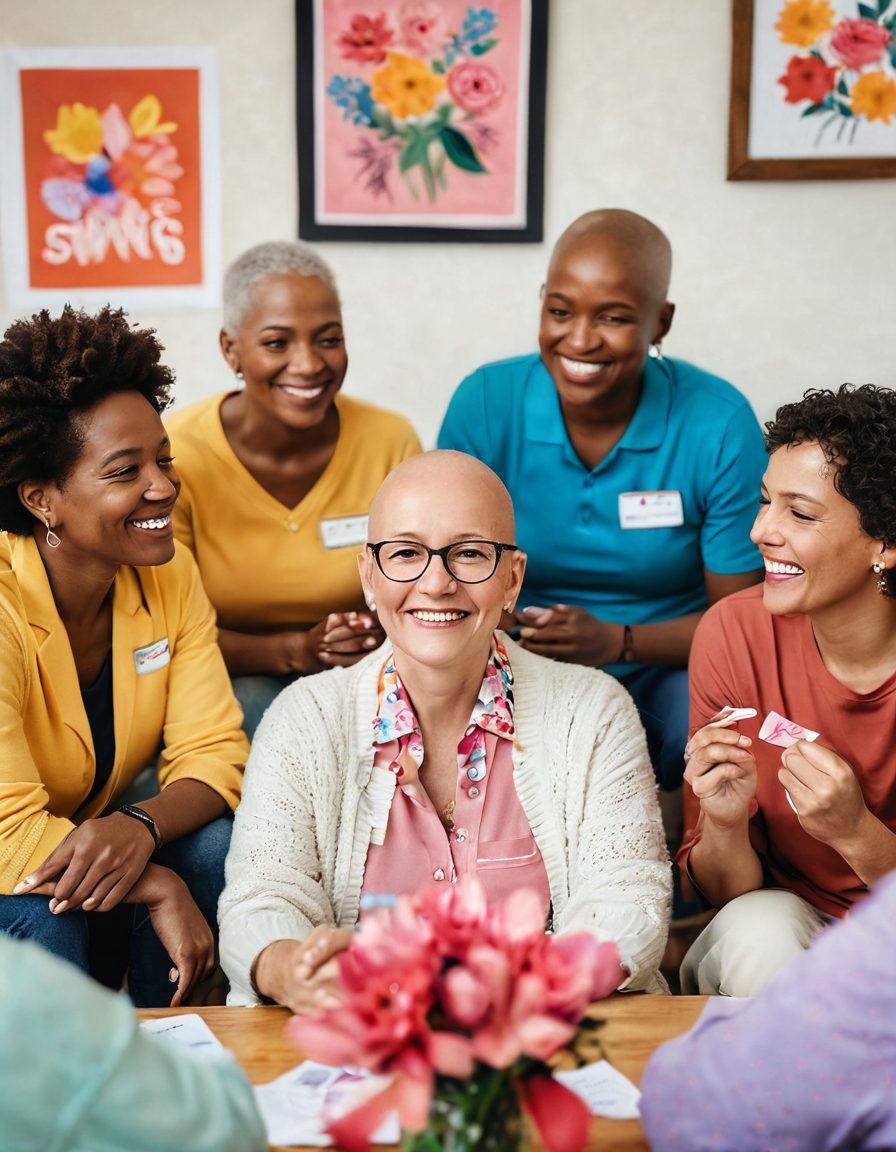
Imagine sitting in a circle with others who truly get it. That’s the essence of patient support groups, where laughter, tears, and shared experiences create bonds that resonate beyond just the discussion of treatment. These intimate gatherings offer a safe space to express fears and triumphs over powerful cancer therapies like immune therapy and chemotherapy. You’re not just a patient; you are part of a story—to get from here to there, to find hope amid the turmoil. And as each survivor story unfolds, the question emerges: How do we harness that collective strength to advocate for better cancer care and resources?
As an empowered cancer patient, your voice matters. Advocacy in cancer management has never been more crucial. Each step you take—whether encouraging holistic health approaches, participating in clinical trials, or pressing for enhanced patient access—creates ripples of change. Start by asking your oncologist about the latest oncology news and tailored health tips. Did you know that lifestyle changes for cancer prevention can significantly impact your journey? Every nutritious meal becomes a step toward recovery; every conscious breath a step toward empowerment.
Ultimately, navigating the landscape of cancer is not a solitary journey. Whether you are just receiving your cancer diagnosis or celebrating milestones in your cancer survivor story, resources abound. Medical research on cancer is continuously evolving, paving the way for advanced treatments such as radiation therapy and palliative care. Engaging with these resources, from educational workshops to dedicated online platforms, can transform your experience from one of passive acceptance to active involvement. What will your story be? Together, let’s weave a tapestry of resilience, support, and hope in the face of cancer.